Garden landscaping ideas
8 Dec 2025
If you’re ready to breathe new life into your garden, then we’ve got you covered. Here are 12 landscaping ideas to give your outdoor space a facelift and transform it into an idyllic setting that you’ll love to spend time in.
1. Spruce it up
If your garden is a bit neglected or overgrown, then it might just need some TLC. Give your fence a lick of paint, pull up the weeds, cut the grass, trim the hedges and sweep the patio.
A small amount of upkeep goes a long way and can really transform a garden from drab to fab!
An added bonus? Gardening is great for you! It can improve mental health, physical health and self-esteem.
2. Create a low maintenance garden
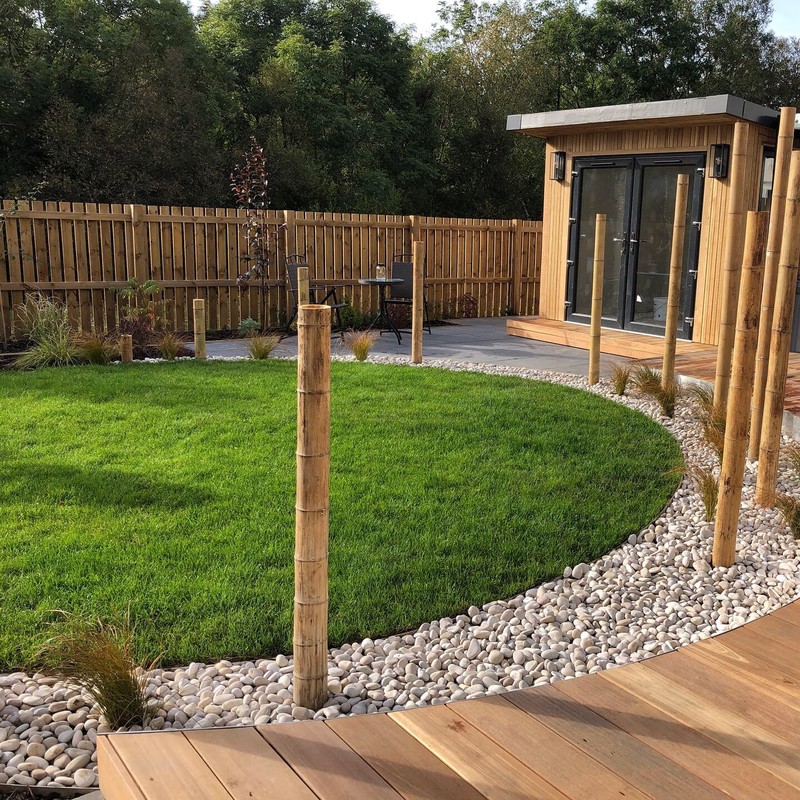
Not everyone wants a garden that needs constant attention. If you'd rather spend your time enjoying it than weeding, mowing and pruning, there are plenty of ways to create a garden that's easy to look after without it looking like a car park.
One of the simplest ways is to use more hard landscaping. This instantly cuts down on the time you’ll spend maintaining a lawn or flower beds.
But you don’t have to get rid of plants altogether. Pots and planters are a great way to add colour, and you can easily move them around.
If you have borders or planting areas, choose plants that won't need constant attention. Evergreen shrubs and hardy perennials can provide plenty of colour and structure and will come back year after year.
3. Zone areas
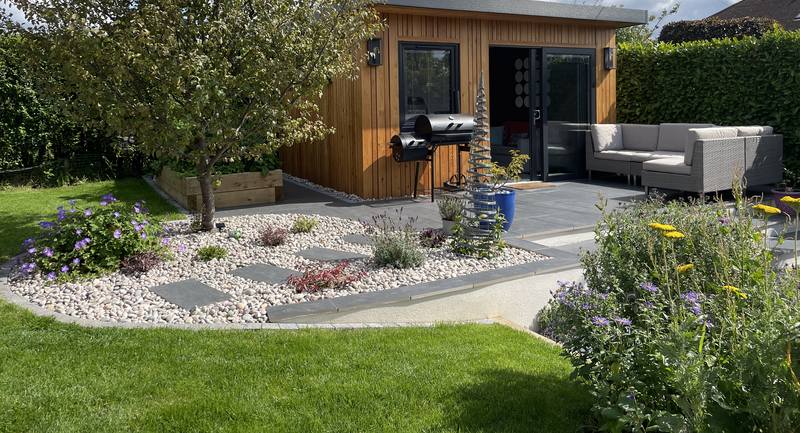
One of the easiest ways to give your garden a sense of structure is to create different zones. Instead of treating your garden as one open space, think of it as a series of rooms. So, for example, you could have an outdoor sitting/dining area with a paved patio, a secluded reading area tucked away behind a screen or beneath a pergola, a raised veg patch, or a lawned area for children (and adults) to play.
You can use pathways, decking, hedges, plants, paving or changes in height to mark the end of one space and the start of another. Don't worry if you only have a small space because creating zones can make it feel bigger and less cluttered.
4. Include a water feature
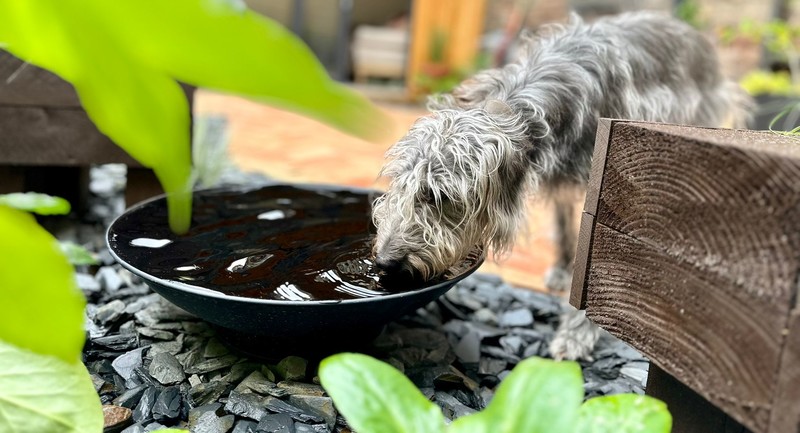
A water feature can transform your garden, adding a calming focal point and a sense of tranquillity to your outdoor space. But before choosing one, it’s worth thinking about what best suits your garden’s size, your budget, and how much maintenance you’re happy to take on.
A fountain is a great option if you enjoy the gentle, constant sound of running water. It can help mask background noise and create a peaceful atmosphere. Just remember, fountains need regular cleaning to prevent algae build-up and keep the pump working smoothly.
For those who love spotting wildlife, a garden pond is a fantastic choice. Ponds attract birds, insects and amphibians; you can even keep your own fish. But having a pond also requires work. It will need debris clearing out, occasional cleaning, and you might also need to manage the water level from time to time.
If you prefer something low-maintenance, a simple birdbath can make a charming feature while providing a welcome water source for local birds and other small visitors.
5. Create a route through the garden
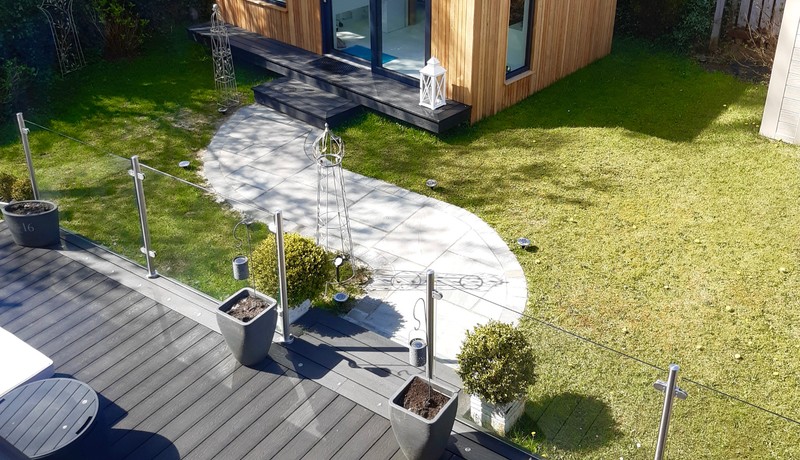
Adding a pathway not only connects areas of your garden to one another, but it also helps to separate those sections and draws the eye through the garden. Select materials that complement your garden’s style. Natural stone, such as sandstone or limestone, will weather and can add character. If you’re going for a cottage garden style, then reclaimed brick or cobblestones work really well, especially for dividing sections of lawn. And gravel is a cost-effective, low-maintenance option, but might not be desirable if you’ve got young children.
6. Add a shaded area with a pergola
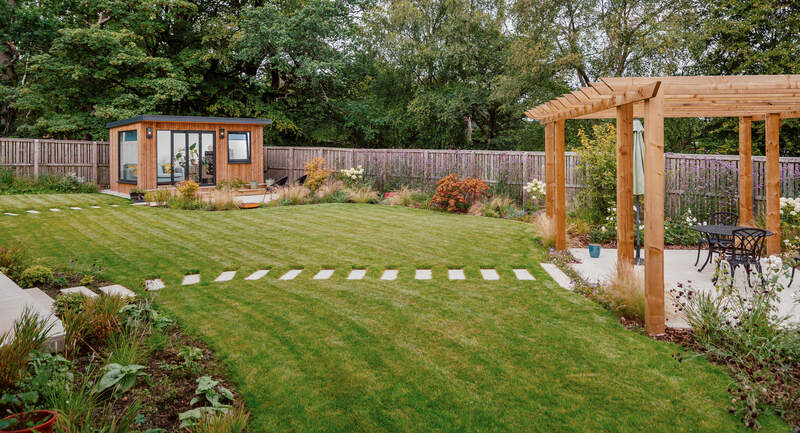
These open-framed structures add height and definition, creating a natural focal point while offering partial shade. They work beautifully over patios, decking, or pathways, drawing the eye and giving your outdoor space a sense of enclosure. As we’ve already mentioned, you can grow climbing plants up them, or hang outdoor lights or lanterns from them to create a warm, atmospheric glow in the evenings.
7. Use borders to add structure
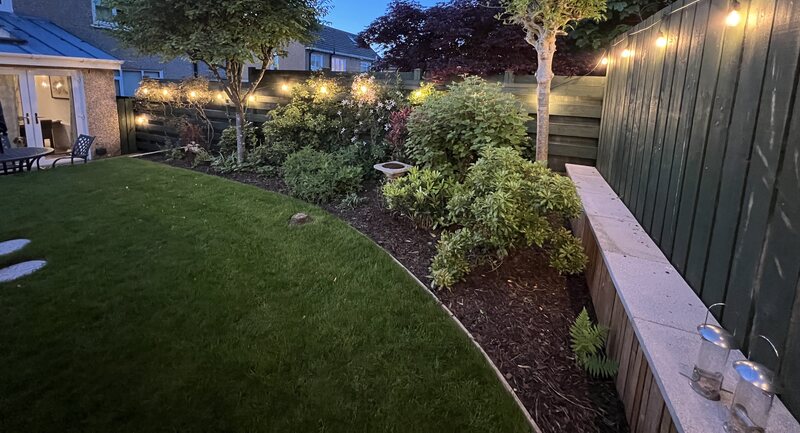
A border is a classic way to add colour, texture and seasonal interest to your garden. And there are plenty of styles you can create.
For a traditional English cottage garden, mix romantic blooms like peonies, delphiniums and hollyhocks. For a modern minimalist garden, opt for structured plants like alliums, agapanthus or ornamental grasses in clean, linear arrangements. If you prefer a wildflower or naturalistic style, incorporate cornflowers, poppies or ox-eye daisies, which are all low maintenance.
Design and plant your border in layers to create depth and draw the eye: taller shrubs and plants like foxgloves at the back and smaller flowers at the front. Aim for a contrast in the colours, but don’t go crazy. Too many competing colours can look chaotic and overwhelming.
You should also choose plants that will suit the amount of sun and shade they will receive. For sunny borders, opt for sun-loving plants like lavender, salvia or rudbeckia, which thrive in six or more hours of direct sunlight. For shaded areas, choose plants like hostas, ferns, hellebores or astilbes, which prefer partial or full shade.
8. Grow vertical
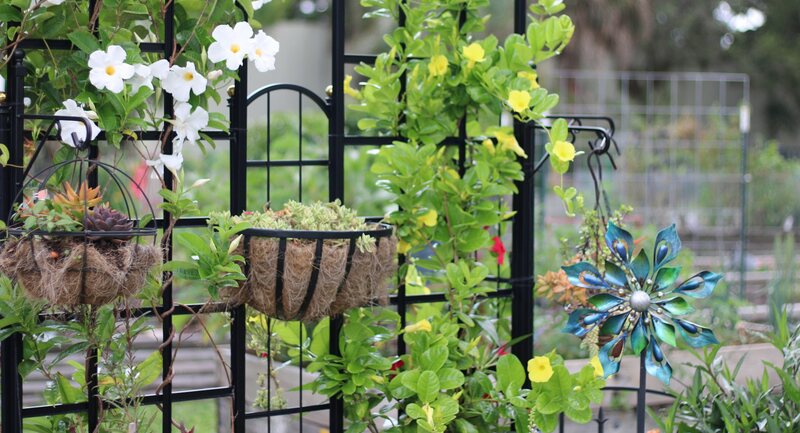
For smaller gardens, especially where space is at a premium, grow upwards rather than outwards.
Climbing plants like jasmine, clematis, wisteria, honeysuckle, roses and ivy can be trailed up or along walls, fences, trellises, arches and pergolas to add height, privacy, or just a splash of colour. Or you can hang baskets off these structures to bring plants up to eye-level.
If you want to grow plants but simply don’t have the space (perhaps you’ve got a courtyard garden or a balcony), then you could create a green wall. You can buy ready-made sets in modules, which come in different shapes and sizes, and fill with your own seeds or plug plants. Many of them also have their own built-in irrigation systems with an indicator that tells you when you need to fill them up with water.
If you’re handy at DIY, you could even make your own vertical structure. Wooden shelving, stackable planters or repurposed wooden pallets can easily be turned into a wall filled with herbs or a place to store your tools.
Trees and tall shrubs also play a role in adding height and structure to a garden. Small ornamental trees such as Japanese maples, magnolias or crab apples will add colour and interest throughout the year, while shrubs like laurel or photinia can form natural screens.
9. Make more of a sloping garden
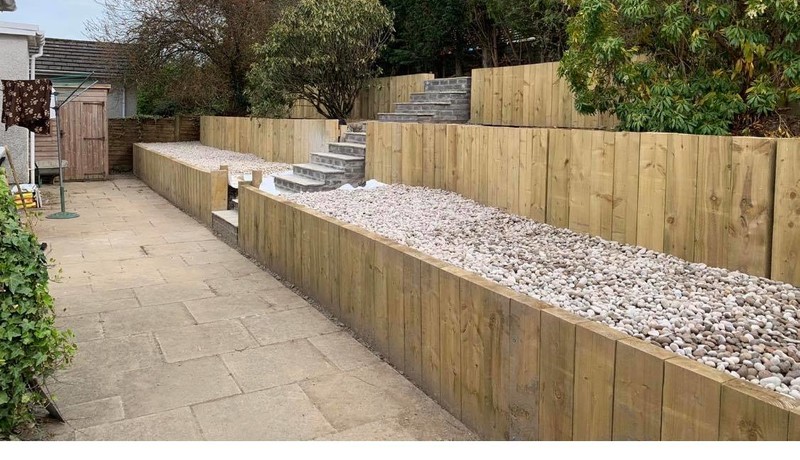
If you've got a sloping garden, you might find it a challenge to make the most of the space. How do you create a lawn, patio, or seating area on a steep incline or bank?
One option is to use a retaining wall to hold back the soil and create level sections. Depending on the space available, you can use several walls to create a series of terraces, rather than trying to work with one continuous slope.
You don't need to have a naturally sloping garden to introduce different levels either. Raised areas can be used to create distinct spaces, add planting at different heights or give a flat garden more interest.
10. Add some personality
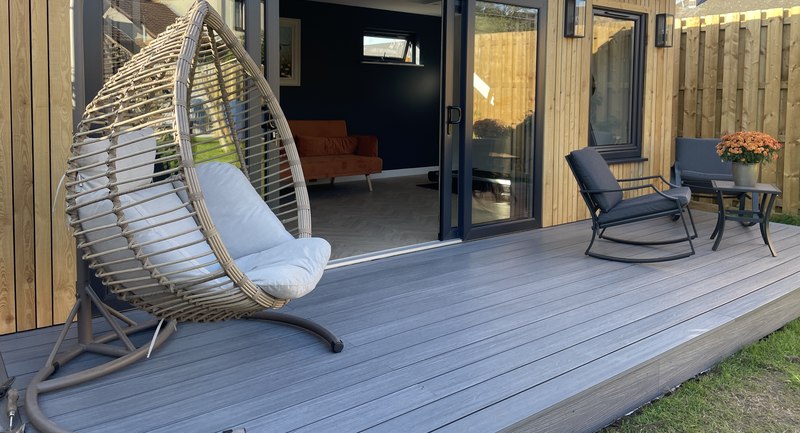
Accessorising isn’t just reserved for inside the home. There’s so much you can do to make your outdoor space feel unique. Try hanging a mirror to give the illusion of more space, incorporate outdoor rugs and other soft furnishings to add charm, and put up lights to create a cosy environment. Hammocks and swing seats also add a stylish focal point.
11. Build an outdoor kitchen
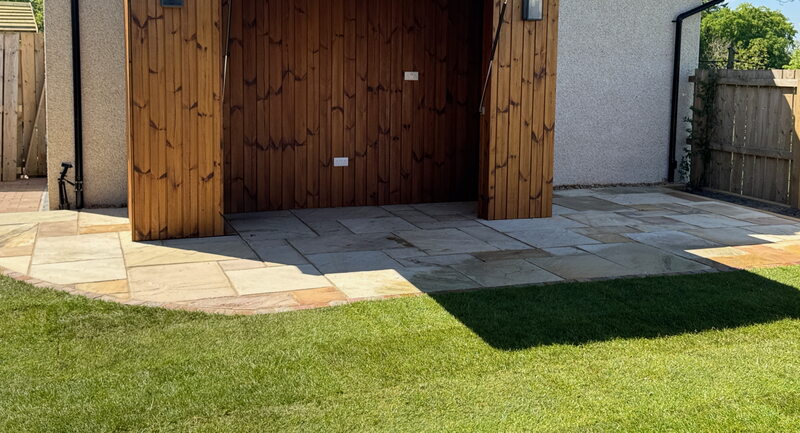
If you’d like to take alfresco dining to another level, an outdoor kitchen could be just the thing. And the beauty is that it doesn’t need to break the bank.
Outdoor kitchens come in all shapes and sizes. You could opt for a custom-built permanent structure like the one in the image above with all the bells and whistles, or simply a small DIY kitchen with room for a BBQ and pizza oven. Whichever you choose, it’ll be a practical addition to the garden and a great way to show off your culinary skills.
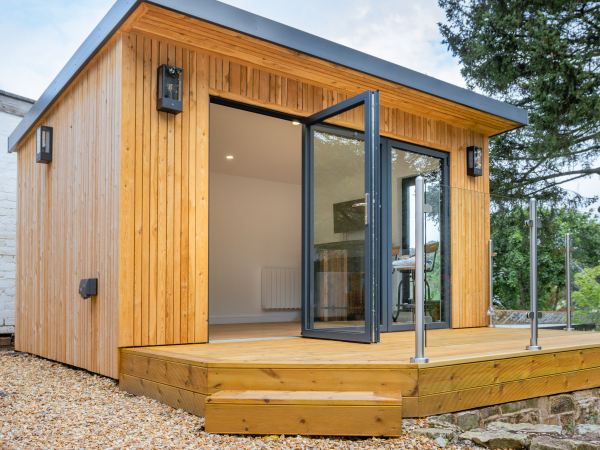
12. Install a garden room
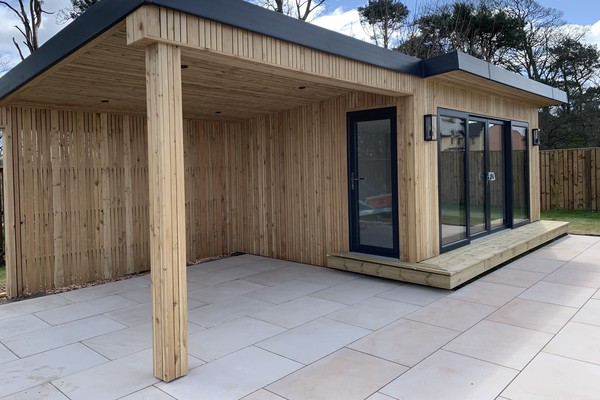
A garden room is not only a practical addition to your home but also a stunning focal point that adds a real wow factor to your outdoor space.
At Outside In Garden Rooms, we specialise in building bespoke garden rooms that will stand the test of time. All our rooms are double glazed and fully insulated so that they are usable throughout the year, not just in the warmer months. Popular uses include a home office, a gym, an art studio, a guest room, or just a cosy retreat on a winter’s day.
Our customers love how they complement and enhance their gardens, with large windows for natural light, bi-fold doors that open directly onto the lawn or patio, or even a covered decking area for a barbecue or hot tub.
If you'd like a garden room but the rest of the garden work seems daunting, don't worry. We also create outdoor living spaces!
From preparing the site before construction begins to creating patios, pathways and outdoor entertaining areas, we can help deliver a complete transformation of your garden that you'll love for years to come!
Give your garden a makeover
As well as designing and building garden rooms, we also offer a full landscaping service.
Got a garden room and landscaping project in mind?
Get in touch to see how we can help